
COLUMN
THE SKILL OF A MASTER
CRAFTSMAN.
How to Choose the Best Matcha for a Matcha Latte
2026.10.02
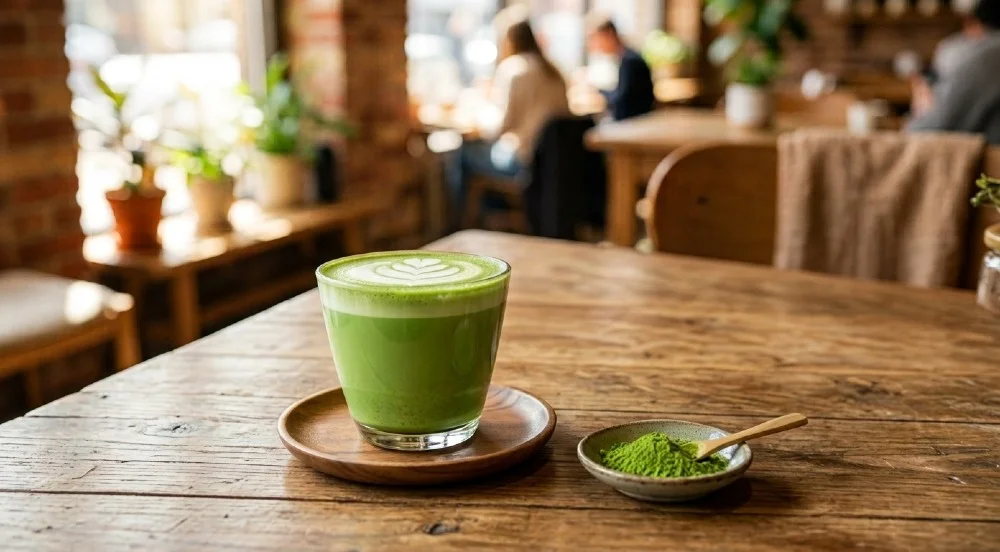
Matcha is becoming increasingly popular around the world. Among the many ways to enjoy matcha, matcha lattes have become a staple on café menus, and more people are now enjoying them at home.
However, not all matcha is equally well suited for making lattes.
Matcha comes in a variety of grades and has different characteristics, and the matcha you choose can significantly affect the color, aroma, and flavor of your latte. If you are going to make a matcha latte, it is worth choosing a matcha that pairs well with milk.
In this article, we will take a closer look at how to choose the right matcha for making delicious matcha lattes.
Why Does Choosing the Right Matcha Matter?
Matcha lattes are typically made by combining matcha with milk or plant-based milk. As a result, a matcha with a delicate or mild flavor may be overwhelmed by the milk, making the matcha itself less noticeable.
On the other hand, choosing the right matcha can give you:
A vibrant green color
A rich aroma
A well-balanced combination of bitterness and sweetness
A distinct matcha flavor
The quality and character of the matcha you use can make a significant difference in the overall taste of your matcha latte.
Four Key Points for Choosing Matcha for Lattes
1. Choose Matcha with a Vibrant Green Color
The first thing to look at is the color.
One of the appeals of a matcha latte is its beautiful green color when combined with milk. Choosing a matcha with a vibrant green color can help create a beautiful green latte.
On the other hand, matcha that is:
More yellowish in color
Dull or muted green
Brownish in color
may result in a latte that looks dull or has a less vibrant green color.
A matcha latte is a drink to be enjoyed not only for its flavor but also for its appearance. Choosing a vibrant green matcha can help you create a visually appealing matcha latte.
2. Choose Matcha with the Right Level of Bitterness and Body
Balance is important when matcha is combined with milk.
Matcha with an extremely delicate flavor may lose some of its distinctive characteristics when milk is added.
For lattes, matcha with:
Moderate bitterness
Rich umami
A bold flavor that can stand up to milk
is well suited.
This helps the matcha flavor remain noticeable even when combined with milk, resulting in a richer and more satisfying latte.
3. Choose a Grade That Matches Your Intended Use
In overseas markets, matcha is sometimes classified and sold according to its intended use, using terms such as “Ceremonial Grade” and “Culinary Grade.”
These terms are not based on a standardized international grading system. Rather, they are general guidelines based on intended use, flavor, and other characteristics. Instead of judging matcha solely by its grade name, it is important to choose matcha based on how you intend to use it.
For more information on the differences between these grades, please see our article: “The Difference Between Ceremonial and Culinary Matcha Grades.” https://www.takumijpn.jp/jp/column/6
Ceremonial Grade — For Traditional Tea Preparation and Drinking
Ceremonial Grade is generally intended for traditional tea preparation or for enjoying matcha on its own.
Typical characteristics include:
Strong umami
Relatively low bitterness
Delicate aroma and smooth mouthfeel
While these characteristics make it well suited for drinking matcha on its own, Ceremonial Grade is not necessarily required when making a matcha latte.
Culinary Grade — For Baking, Cooking, and Other Applications
Culinary Grade is intended for use in applications where matcha is combined with other ingredients, such as lattes and desserts.
Typical characteristics include:
A pronounced matcha flavor
A flavor that remains noticeable when combined with milk or sugar
Many options available at price points suitable for everyday use
For those who enjoy matcha lattes regularly, Culinary Grade matcha can be one option, as its flavor can remain noticeable even when combined with milk or sweeteners.
4. Choose Matcha That Is Easy to Mix and Less Prone to Clumping
For a matcha latte, it is also important that the matcha disperses evenly in the liquid without forming clumps.
Dispersibility can vary depending on particle characteristics and production methods. When choosing matcha for lattes, it can be helpful to check product descriptions for information such as how easily the matcha mixes and whether it is less prone to clumping.
This is particularly important when making:
Hot matcha lattes
Iced matcha lattes
Frappés
Smoothies
Choosing matcha that mixes easily can help ensure a more consistent result.
Choosing Matcha Based on Your Milk
Cow's Milk
A well-balanced matcha is recommended.The umami of the matcha complements the richness of the milk, creating a well-balanced, classic matcha latte.
Oat Milk
Oat milk has a naturally sweet flavor, so it can pair well with matcha that has a more pronounced bitterness and flavor.This allows the distinctive character of the matcha to remain noticeable.
Almond Milk
Almond milk has a naturally nutty flavor. Pairing it with a matcha with a pronounced aroma can create an enjoyable layering of flavors.
Frequently Asked Questions
Is More Expensive Matcha Better for Lattes?
Not necessarily.
Matcha with a delicate and refined flavor intended to be enjoyed on its own may become less distinctive when milk is added. Choosing a matcha specifically marketed for lattes is another option to consider.
What If I Add a Sweetener?
If you add honey or syrup, a matcha with a more pronounced flavor is recommended.
Its stronger flavor can remain noticeable even when combined with sweeteners.
Conclusion
To make a delicious matcha latte, it is important to consider how well the matcha pairs with milk rather than simply choosing the most expensive matcha.
When choosing matcha for a latte, consider:
Vibrant green color
The right level of bitterness and body
A grade suited to your intended use
Easy mixing and resistance to clumping
Choosing matcha that suits your intended use can help you create a rich, authentic matcha latte at home, just like one you might enjoy at a café.
If you are looking for matcha that works well in lattes or would like advice on finding matcha with the flavor and color characteristics you are looking for, please feel free to contact us.