
COLUMN
THE SKILL OF A MASTER
CRAFTSMAN.
Understanding the Difference Between Matcha and “Green Tea”
2026.05.15
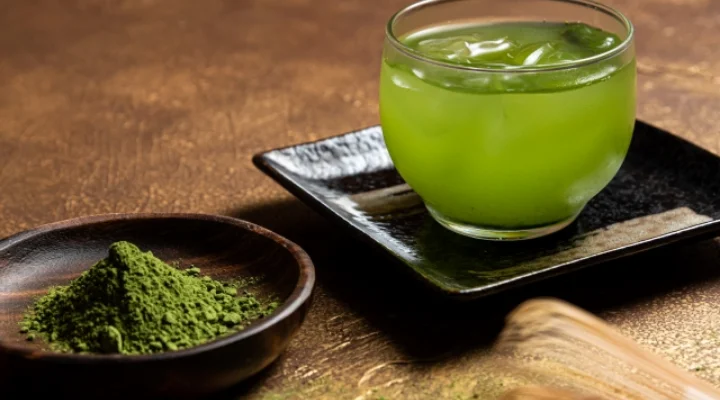
When people overseas hear the term “green tea,” many imagine a sweet, brightly colored green drink.
In reality, however, it is often a processed product made by adding sugar or sweeteners to matcha.
Authentic matcha, on the other hand, is enjoyed without any added sweetness, allowing you to appreciate the natural flavor of the ingredient itself.
Without understanding this difference, the taste and quality may not match your expectations.
What Is Matcha?
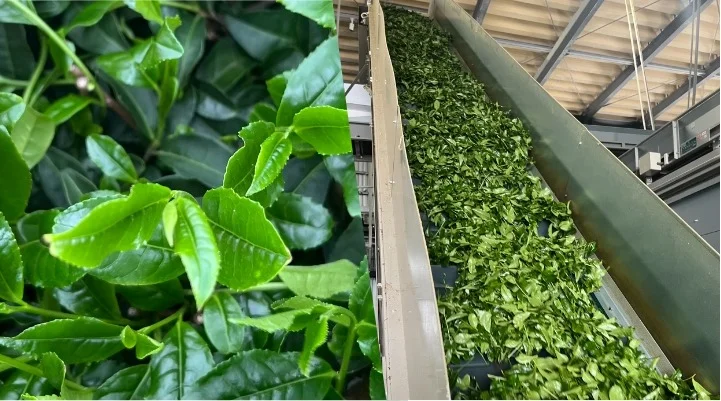
Matcha is a powdered form of tea made from specially cultivated tea leaves.
Before harvesting, the tea plants are shaded from sunlight to enhance their umami flavor.
The leaves are then steamed, dried, and slowly ground using a stone mill.
One of the defining characteristics of matcha is that it contains no added sugar or sweeteners—it is appreciated in its pure form.
Its flavor offers a delicate natural sweetness, rich depth, and a gentle bitterness that brings everything into balance.
This harmony of flavors is what makes matcha truly unique.
What Is “Green Tea”?
What is commonly referred to as “green tea” in many markets is often a drink powder made by blending matcha with sugar or sweeteners.
Because it already contains sweetness, it can be easily prepared by simply mixing it with water or milk.
Its taste is consistent and approachable, and many products also include added nutrients.
In other words, “green tea” is typically a processed product based on matcha.
Why This Difference Matters
Pure matcha allows you to control sweetness freely.
This makes it highly versatile for use in cooking, desserts, lattes, cocktails, and more.
In contrast, sweetened green tea products have a fixed level of sweetness, which can limit flexibility in recipes.
The choice of ingredient also greatly influences the final impression:
Matcha delivers a refined, complex flavor profile, creating a sense of authenticity and Japanese elegance
・Green tea (sweetened) offers a more casual, approachable taste with sweetness at the forefront
・Neither is inherently better—the right choice depends on the experience you want to create.
We often hear comments such as, “I used matcha, but it didn’t taste as expected.”
In many cases, this is because people assumed sweetness was already included or had a different perception of matcha quality.
Even small differences can lead to significant changes in the final result.
Summary
Although matcha and green tea may look similar, they are fundamentally different:
・Matcha: pure, unsweetened ingredient
・Green tea: sweetened, processed product
Understanding this distinction helps clarify your approach to flavor creation and product development.
Because matcha is a pure ingredient, it offers unlimited creative possibilities—from low-sugar lattes and premium desserts to health-conscious menu items.
Choosing the right base ingredient is a key factor in creating original and high-quality products.